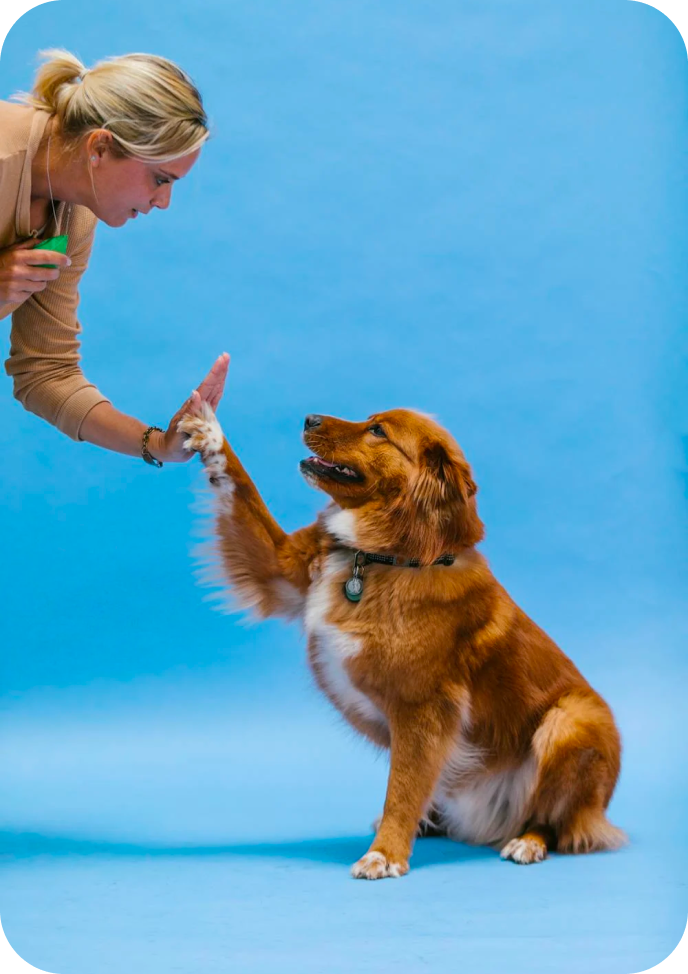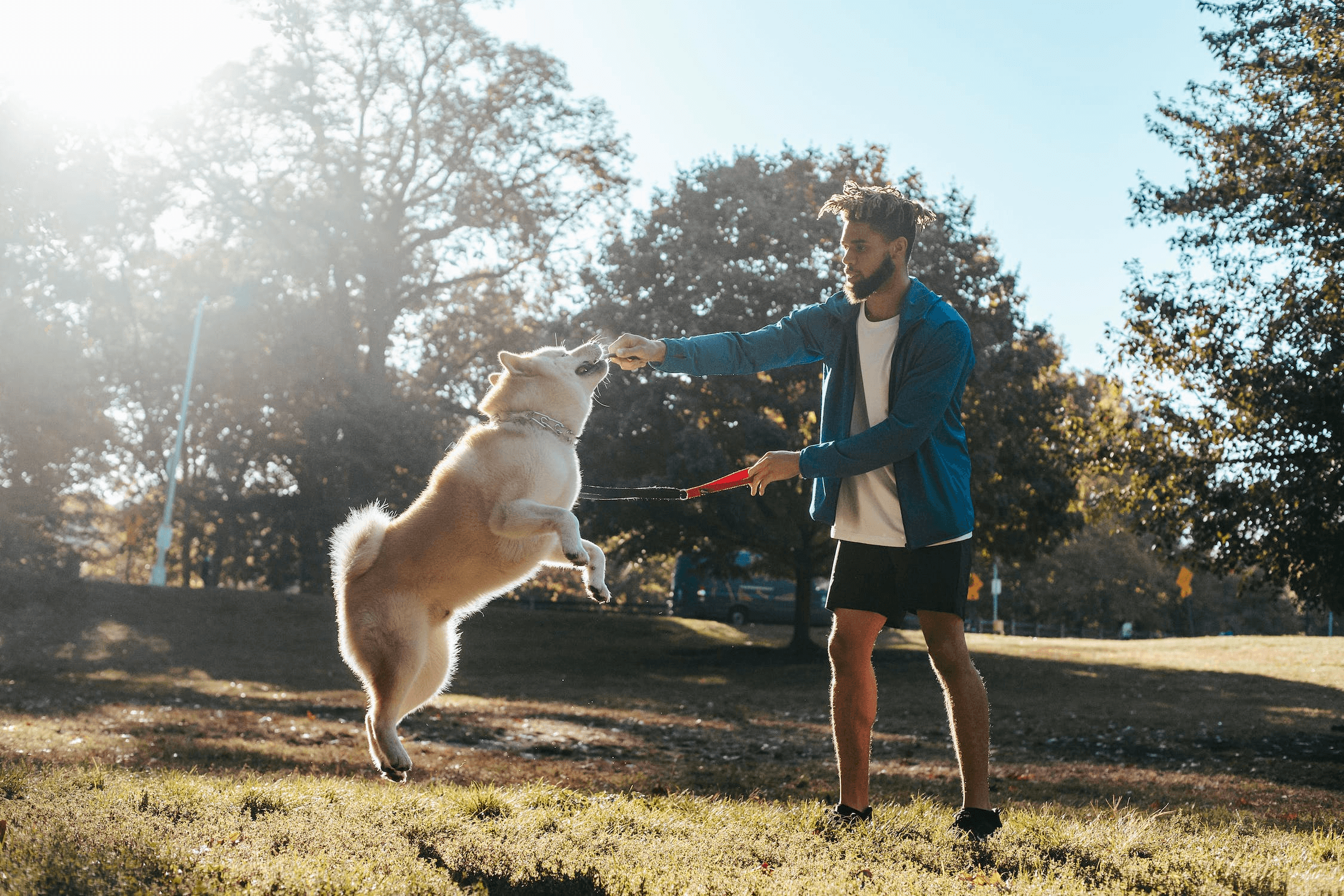
At four months your puppy sat when you asked, followed you from room to room and came running when you called. Now, a few months later, they look at you, look at the squirrel and leave. They pull on the leash, jump on every guest, steal socks and seem to have forgotten their own name.
Welcome to the teenage dog phase. It is not your imagination, your dog is not being stubborn, and the training you did was not wasted. This guide explains what is happening, what is normal, what is not, and how to get through it with your sanity and your training intact.
At What Age Is a Dog a Teenager?
For most dogs, adolescence starts at around 6 months and runs to about 18 months. Large and giant breeds often mature later, and some keep their teenage energy until 2 years old or beyond.
During this time your dog's body is growing fast, their hormones are changing and their brain is still developing. They look almost grown, which is why it is easy to expect adult behavior. On the inside, they are still very much a work in progress.
Why Your Teenage Dog Stopped Listening
Your dog's self-control is still developing, while excitement and curiosity are running at full volume. The result is a dog who wants to explore everything, gets excited quickly and finds it hard to stop and think.
Teenage dogs also tend to become more independent. The world is suddenly far more interesting than you are, and it is common for adolescent dogs to respond less reliably for a while, especially to their own family.
Many dogs also go through a phase of new worries in adolescence. A dog who was bold as a puppy might startle at a trash can or bark at a stranger. Handled calmly, this usually passes.
Normal Teenage Dog Behavior
All of these are common, and none of them mean your dog is broken:
- Ignoring cues they knew perfectly a month ago
- Pulling on the leash and losing interest in walking with you
- Jumping on guests and getting overexcited at the door
- Counter surfing, chewing and stealing things to start a game of chase
- Zoomies, mouthing and rough play
- A recall that suddenly falls apart outdoors
- Testing house rules, like getting on the furniture or bolting through doors
- More barking, at noises, people or other dogs
- Marking, humping or a few potty accidents after months of being clean (if accidents start suddenly, check with your vet)
What Is Not Just a Phase
Some behaviors need attention now rather than patience. Get professional help if your teenage dog is:
- Growling, snapping or biting, including over food, toys or resting spots
- Reacting to other dogs or people on walks, and it is getting worse
- Showing fear that is growing rather than fading
- Panicking or destroying things when left alone
Our guides to leash reactivity and fear versus aggression explain these in more detail. And if a change in behavior was sudden, start with your vet to rule out pain or illness.
How to Get Through the Teenage Phase
The good news is that the basics you built as a puppy are still in there. Your job is to make them easier to reach again.
Go back a step, not back to zero. If your dog ignores "Sit" at the park, practice it in the kitchen, then the yard, then the quiet end of the street. Rebuild in easy places before asking for it in hard ones.
Keep sessions short and frequent. Two or three five-minute sessions a day work much better than one long one. Stop while your dog is still keen.
Make listening worth it. The world is competing with you for your dog's attention, so pay well. Use part of your dog's daily food for training, and keep tastier rewards for harder moments. Reward the things you like, such as a check-in on a walk, four paws on the floor when guests arrive or choosing a toy over your shoe.
Manage what you cannot train yet. A leash or a light line (a thin, lightweight leash your dog trails behind them) worn in the house while you are watching, baby gates, a crate and a settle spot all stop your dog practicing habits you do not want. Take the line off before crate time or whenever you cannot supervise. Management is not cheating. It is what keeps bad habits from getting stronger while you teach better ones.
Keep everyone consistent. Use the same words and the same rules across the household. If one person lets the dog jump up, the dog learns that jumping still pays. Our posts on teaching "Wait" and teaching "Stay" are a good place to start with door manners and calm waiting.
Meet their needs, including rest. Teenage dogs need exercise, but they also need things to do with their brain and plenty of sleep. Sniffing walks, food puzzles, safe chews and short training games tire the mind. An overtired teenage dog, like an overtired toddler, is harder to live with, not easier. Games that teach your dog to switch from excited to calm, like Go Wild and Freeze, are especially useful now.
Skip the labels. Your dog is not being stubborn, spiteful or trying to take charge. They are a young animal with a developing brain in an exciting world. Calm, clear, patient handling gets far further than frustration.
Why the Teenage Phase Matters So Much
The habits your dog practices now tend to be the habits they carry into adulthood. A dog who learns in adolescence that pulling gets them to the park, or that jumping gets attention, takes those lessons with them. A dog who learns that calm gets rewarded takes that with them too.
That is why so many families look for help at this stage. Consistent work now, while the brain is still developing, tends to pay off for years.
Recall in the Teenage Phase
Coming when called is often the first skill to fall apart in adolescence, and it matters for your dog's freedom and safety. Use a long training leash outdoors for now, so your dog cannot practice running off, and rebuild it step by step. Our guide on how to teach your dog to come when called walks you through it.
How Dogwise Can Help
Our Adolescent Essentials program is built for dogs of 6 to 18 months who pull on walks, ignore cues, jump on guests or bolt through doors. Your dog lives with their trainer and works on household manners, impulse control, leash walking and recall in real life, every day. Then your trainer hands it over to you in your own home, so you can keep the skills going once your dog is back. Not sure whether a program is right for your dog? Read our honest guide to whether board and train is worth it.
For larger or fast-growing puppies who are heading into adolescence, Big Puppy is often the right fit. For strong dogs over 12 months who know the basics but need more focus and control, see Strong Companion.
Frequently Asked Questions
When will my dog calm down?
It varies by dog and breed. Many dogs become noticeably more settled as they move into adulthood, often somewhere between 18 months and 2 years, and later in large breeds. What you practice now has a big influence on the adult dog you end up with.
Should I start my dog's training over?
No. Go back a step to easier places and shorter sessions, then build up again. Most teenage dogs remember far more than they show.
Will spaying or neutering fix teenage behavior?
Talk to your vet about the right timing for your dog. It is not a replacement for training, and it does not change habits your dog has already learned.
Is it too late to train my teenage dog?
Not at all. Adolescence is one of the best times to invest in training, because the habits your dog forms now are the ones that stick.
Is your teenage dog testing every rule in the house? Book a free consultation and tell us what is happening. We will help you work out the right next step.