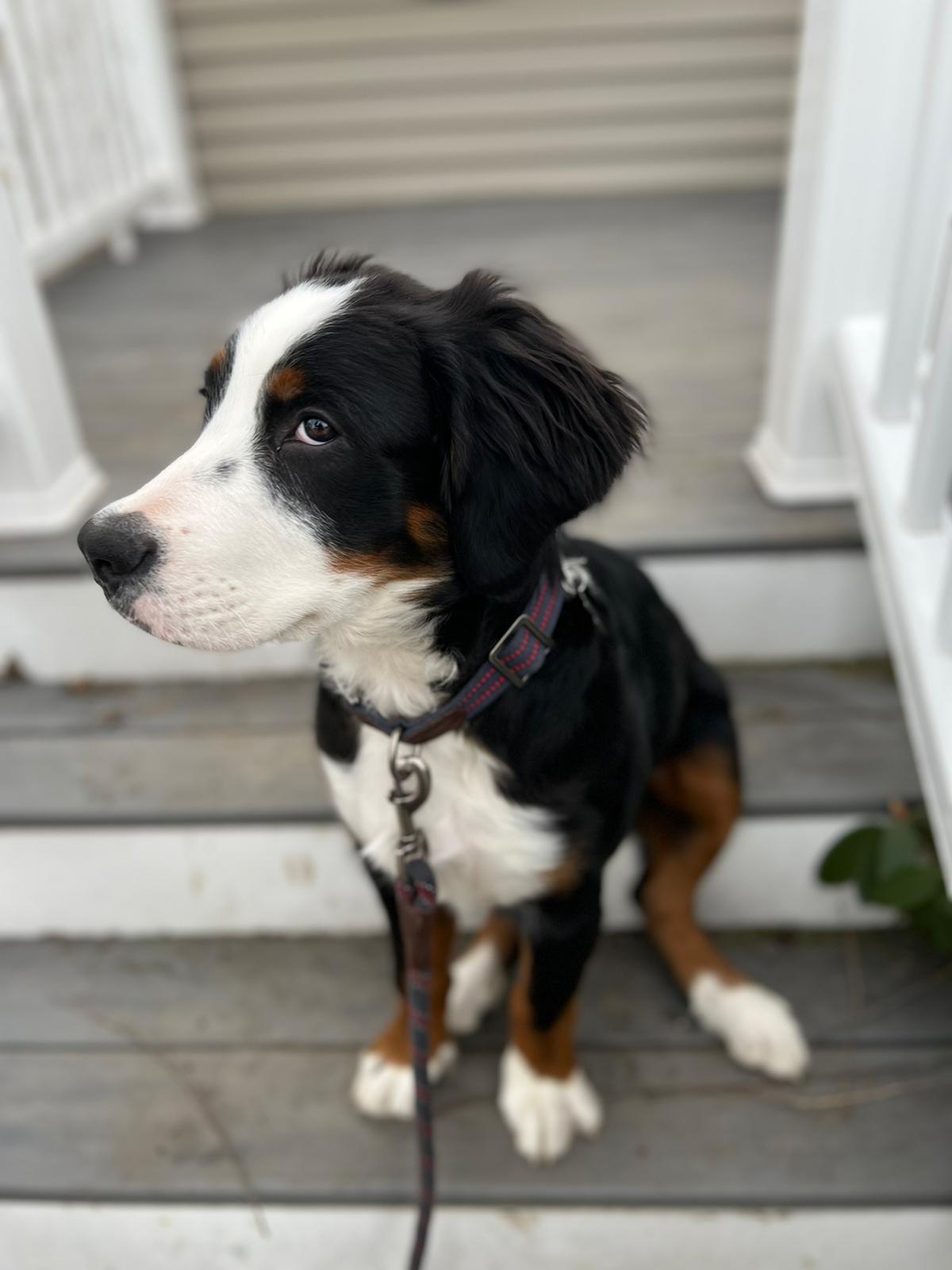
Your dog trots past with something in their mouth and that look in their eye. A sock, the TV remote, a chicken bone from who knows where. You lunge, they run, and now it is a game of chase around the coffee table that your dog is clearly winning.
"Drop it" turns that moment into something calm. It teaches your dog to let go of whatever is in their mouth when you ask, because letting go has always paid off. This guide covers how to teach a dog to drop it: how it differs from Leave It, a step-by-step plan, trading up and what to do when your dog has picked up something dangerous.
Drop It vs Leave It
The two cues sound alike, but they do different jobs:
- Leave It means "do not pick that up". It stops your dog before the item reaches their mouth.
- Drop It means "let go of what you already have". It is for the moments when Leave It came too late.
Our guide on how to teach your dog to leave it covers the other half.
Why Drop It Matters
Dogs explore with their mouths, especially puppies and teenagers. A dog who lets go on cue is safer, because you can get a dangerous find back quickly. And if letting go usually leads to something good, your dog has less reason to run off with things or guard them.
How to Teach Drop It, Step by Step
You need small, soft treats, a few toys from boring to exciting and a quiet room. The trick is to teach the word before you ever ask your dog to give something up, so it already means "good things are about to land on the floor".
- Teach the word with an empty mouth. Say "Drop it" once in a friendly voice, then toss two or three treats on the floor by your dog's front feet. Word first, then the toss, not both at once.
- Point to the treats. Reach down and point at them as your dog eats. This gets your dog used to your hand coming toward the floor, which matters later when you pick things up.
- Change your position. Practice while you sit on the couch, kneel or stand with your back turned, so the word works in any setup.
- Watch for the head drop. Your dog is ready to move on when you say "Drop it" and they look at the floor before any treats arrive.
- Add a boring object. Put a dull item near your dog, like a plastic cup. When they sniff it or pick it up, say "Drop it" and toss treats a little way from it.
- Move to a low-value toy. Hand your dog a toy they only mildly like. While it is in their mouth, say "Drop it" once and toss treats. When they let go to eat, calmly pick up the toy.
- Give it back. Most of the time, hand the toy back once the treats are gone. If "Drop it" always means the toy disappears, your dog has every reason to hang on.
- Work up slowly. Move on to more exciting toys, then chews, then the things your dog likes to steal. Stay at each level until letting go is easy.
Trading Up
Trading up means offering something your dog wants more than what they have. For an everyday toy, a few treats are usually enough. For a favorite chew or a stolen sandwich, make a bigger offer, like a handful of chicken or a better toy.
In play, keep two similar toys. Say "Drop it", bring the second toy to life and throw it the moment your dog lets go. Your dog learns that giving up a toy keeps the fun going.
The Two Rules: Never Chase, Never Pry
Never chase your dog to get something back. To a dog, being chased is the best game of the day. Turn away, head to the kitchen and make it worth their while to follow you.
Never pry the mouth open or pull the item out. It risks a bite, and it can teach your dog to grab and swallow quickly next time.
If your dog stiffens, freezes, growls or snaps when you come near something they have, step back. Do not punish the growl. It is a warning, and you want to keep it. Keep valuable items out of reach and talk to a professional trainer.
What to Do If Your Dog Has Something Dangerous
Stay as calm as you can. Panic and grabbing tend to make dogs gulp what they have or run.
- Offer a big trade. Scatter a handful of your best treats on the floor away from the item, or drop something tasty in their bowl.
- Pick the item up calmly once your dog has moved away from it.
- If your dog swallowed it, call your vet right away, or an emergency vet clinic if your vet is closed. Tell them what it was and roughly how much. Do not try to make your dog vomit unless your vet tells you to.
Medicines, chocolate, grapes and raisins, sugar-free gum, cooked bones, socks and small toys are all worth a call. When in doubt, call.
Common Mistakes
- Saying it over and over. Say "Drop it" once. If your dog hangs on, trade bigger and make the next session easier.
- Only using it to take things away. Practice when you do not need it, and give the item back often.
- Leaving temptation lying around. Every stolen sock is practice. Tidy up while you train.
Frequently Asked Questions
My puppy grabs everything. Is that normal?
Yes. Puppies explore with their mouths, and teething adds to it. Offer plenty of safe chews and puppy-proof the house. Our post on puppy nipping and biting covers mouthing and chewing in more detail.
My dog steals things and runs off. Why?
Often because stealing starts a game of chase or gets attention. It is especially common in teenage dogs. Our guide to the teenage dog phase explains why, and how to manage it.
How Dogwise Can Help
Puppy Foundations covers chewing, counter surfing and first manners for puppies of around 16 weeks to 6 months, the age when everything goes in the mouth. For dogs of 6 to 18 months who steal and run off with things, Adolescent Essentials works on household manners and impulse control in everyday life.
Your dog lives and trains in their trainer's own home, not a kennel. Then your trainer shows you how to keep it going in your own house, with follow-up sessions and lifetime support. Not sure whether a program is right for your dog? Read our honest guide to whether board and train is worth it.
Tired of chasing your dog around the house? Book a free consultation and tell us about your dog. We will help you find the right next step.
