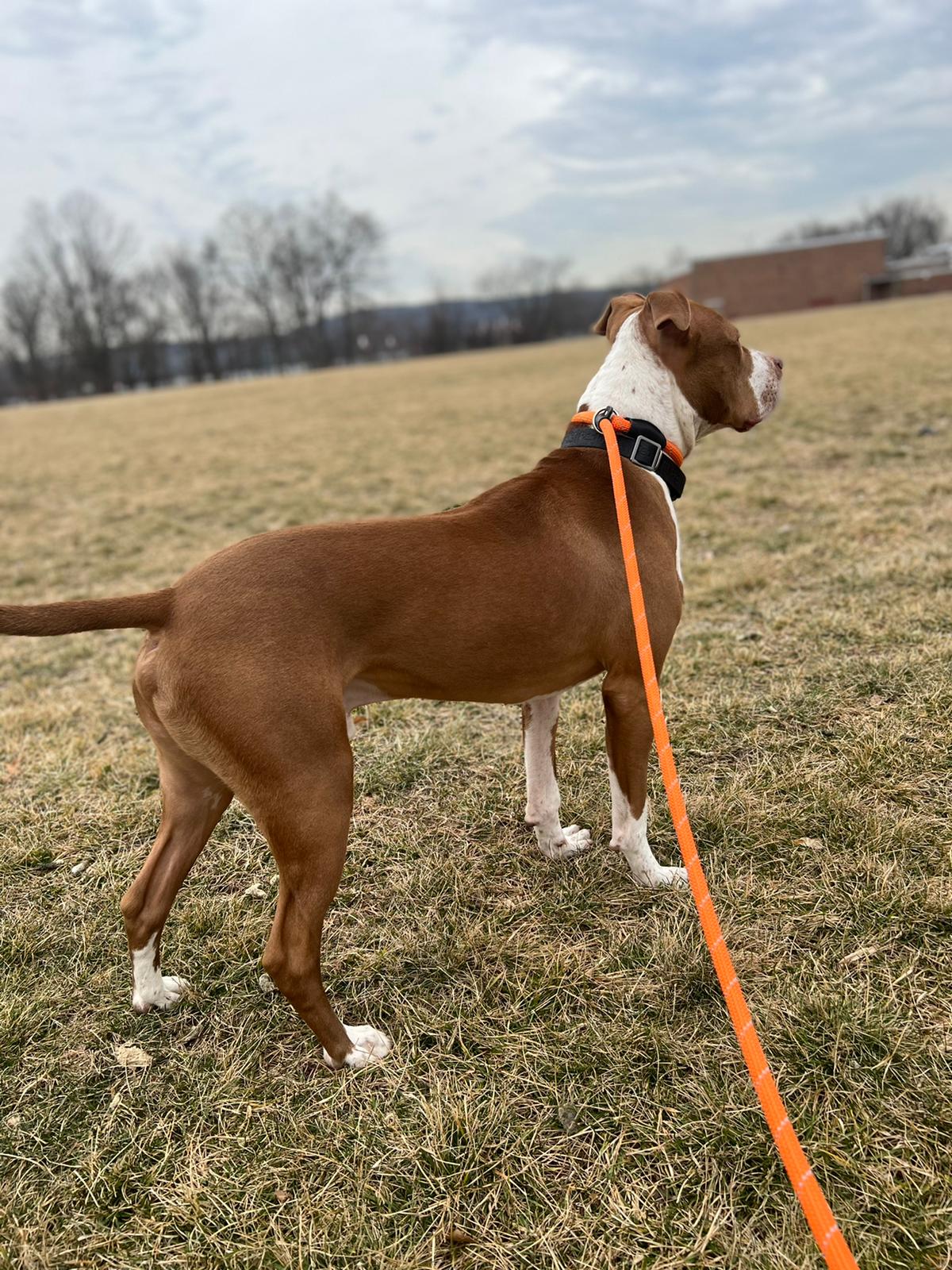
It is 6 a.m., you are standing in the yard in your pajamas, and your puppy is sniffing every blade of grass except the one you hoped they would use. Then you come back inside and they pee on the rug. If that sounds like your week, you are in good company.
Potty training, or housebreaking, is mostly about routine and timing. Puppies are not being naughty when they have accidents. They simply have not learned where to go yet, and their bodies are still developing. This guide covers a simple schedule, a set potty spot, rewarding at the right moment, crate and supervision, accidents, and when to talk to your vet.
Step 1: Set a Potty Training Schedule
The aim is to get your puppy outside before they need to go, so they get it right far more often than wrong. Take your puppy out:
- First thing in the morning
- Right after waking from a nap
- Shortly after eating or drinking
- During and after play or training
- Any time you see sniffing, circling or a sudden wander off
- Last thing before bed
Young puppies need to go out often. At first that can mean every hour or two while they are awake, plus the times above. How long a puppy can wait grows slowly with age and varies a lot between puppies, so watch your own puppy rather than a formula. Many young puppies also need a trip out during the night at first. Keep night trips quiet and boring: out, potty, praise, straight back to bed.
A simple log of when your puppy eats, sleeps and goes often shows a pattern you can plan around.
Step 2: Feed at Set Times
Feed meals at set times rather than leaving food down all day. What goes in on a schedule tends to come out on a schedule, which makes it much easier to predict when your puppy needs to go. Ask your vet how many meals a day suit your puppy's age.
Keep fresh water available during the day. If night accidents are a problem, ask your vet whether picking up the water bowl a little while before bed makes sense for your puppy.
Step 3: Use a Set Potty Spot
- Go out with them, on a leash. Use a regular leash and collar or harness and walk straight to the same spot each time. The familiar smell helps.
- Stand still and be boring. Give your puppy a few minutes to sniff and go. This is not playtime yet.
- Add a cue. Just as your puppy starts to go, quietly say a cue such as "Go potty". Many puppies learn to go on cue, which is handy on busy mornings and in new places.
- Reward right as they finish. Praise and give a treat the moment they are done, outside. A treat back in the house comes too late, and interrupting halfway can mean they finish indoors.
- Stay out a few extra minutes. Many puppies go more than once. It also teaches your puppy that going potty does not end the outdoor fun, so there is no reason to hold it.
- No luck? If nothing happens after about five minutes, bring them in, keep them in their crate or right beside you for 10 to 15 minutes, then try again.
Step 4: Use a Crate and Supervision
Most dogs prefer not to soil the place where they sleep, which is why a crate helps so much. It should be big enough for your puppy to stand, turn around and lie down stretched out, but not so big that one end becomes a bathroom. Our guide to crate training walks you through making it a place your puppy likes.
Out of the crate, keep your puppy where you can see them. Baby gates, a puppy pen or a leash clipped to your belt all help. Freedom grows as the accident-free days add up, one extra room at a time.
Step 5: Handle Accidents Calmly
Accidents happen with every puppy. What matters is how you respond.
- If you catch them in the act, calmly interrupt with a neutral sound, then scoop them up or lead them outside. Praise if they finish there.
- If you find it later, just clean it up. Your puppy cannot connect an old puddle with being scolded now.
- Never punish accidents. Do not yell, and never rub their nose in it. It does not teach your puppy where to go. It teaches them that going in front of you is risky, so they sneak off behind the couch instead.
- Clean with an enzyme cleaner. Regular cleaners can remove the stain but leave a smell your puppy can still detect, and that smell draws them back.
- Ask what went wrong. Was it too long since the last trip out? Was nobody watching? Adjust the schedule, not the puppy.
Regressions and When to See Your Vet
Progress is rarely a straight line. A puppy who has been clean for weeks may start having accidents after a move, a change in routine or a new pet, or as they head into adolescence. Go back a step: more trips out, closer supervision and rewards again for going outside. New places also need teaching. Being clean at home does not mean your puppy knows a friend's house counts too, so keep them on a leash somewhere new and offer a potty spot early.
See your vet if your puppy:
- Starts having accidents suddenly after being reliably clean
- Pees very often, in small amounts
- Strains to pee and little or nothing comes out (call your vet right away)
- Has blood in their pee or poop, or diarrhea, especially with vomiting, tiredness or not eating. Young puppies can dehydrate quickly, so call the same day.
- Is drinking much more than usual
These can be signs of an infection or another medical problem, and training cannot fix those.
Frequently Asked Questions
How long does potty training take?
It varies a lot. Some puppies pick it up quickly, while others need many weeks of steady routine. Consistency from everyone in the house makes the biggest difference.
My teenage dog has started having accidents again. Why?
Hormones, marking and a busy, distracted brain can all play a part between about 6 and 18 months. Check with your vet first, then go back to basics. Our guide to the teenage dog phase covers what else is normal at this age.
How Dogwise Can Help
Potty training is a big part of our Puppy Foundations program for puppies of around 16 weeks to 6 months. Your puppy lives in their trainer's home, not a kennel, and follows a steady daily routine of potty breaks, meals, naps and training. At handover, your trainer shows you that routine in your own home, and follow-up sessions help you fine-tune it. Our honest guide to whether board and train is worth it covers the pros and cons.
Ready for fewer puddles? Book a free consultation and tell us about your puppy. We will help you find the right next step.
